
Global

Advisory

Board

The Flourish Project is supported by a Global Advisory Board of scholars, practitioners and leaders from around the world, bringing expertise across consciousness studies, education, planetary health, peacebuilding and regenerative development.
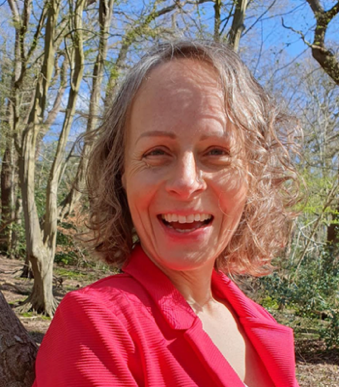
Dr Jessica Bockler
Dr Jessica Bockler
Co-founding Director, Alef Trust

Jessica Bockler, PhD, is a transpersonal psychologist, applied artist, and co-founding director of Alef Trust, a global leader in transformative education offering professional training and degree programmes in consciousness studies, transpersonal psychology and allied fields. Originally trained in applied and physical theatre, Jessica has an extensive background in expressive arts facilitation, experimental movement and voice work, and embodied approaches to imagination and human development. She is the founder of Creative Alternatives, one of the UK’s longest-established arts and mental wellbeing services and an award-winning pioneer in social prescribing.

Jessica’s research and teaching draw on transpersonal psychology, integral theory, Jungian and archetypal perspectives, ritual studies, and awareness-based approaches to social change. She is particularly interested in how imagination and embodiment shape leadership, collective trauma healing, education, and processes of societal transformation. Jessica leads Alef Trust’s Centre for the Ecology of Human Transformation, which explores how life-affirming transformation takes root and flourishes in people, organisations, and communities. She serves on the editorial team of the Journal of Awareness-Based Systems Change and she is a Fellow of the Royal Society for Arts, Manufactures and Commerce, and a member of the British Psychological Society.

Amanda Burrell
Amanda Burrell
Filmmaker, broadcaster and impact producer

Amanda Burrell is an award-winning filmmaker, broadcaster and impact producer whose work explores the climate and ecological crisis and, above all, how to address it. Through films about subjects including Indigenous wisdom, faith, climate litigation, regenerative economic models and scientific innovation, she has spent much of her career telling the stories of people working to rebalance humanity's relationship with the natural world and foster planetary wellbeing.

Recently, she has been exploring the role that media and storytelling, combined with impact strategies, can play in driving systemic change by shifting people’s perspectives, expanding their sense of what is possible and inspiring action.

Amanda has produced factual and current affairs programmes for international broadcasters including Al Jazeera, the BBC, Discovery and PBS, and has led creative teams in Turkey, India, Qatar and the UK. For the past ten years, she has made environmental programmes for Al Jazeera English, principally as Executive Producer of the pioneering solutions series, earthrise. She is a juror for the Goldman Environmental Prize.

Dr Jude Currivan
Dr Jude Currivan
Cosmologist, futurist and co-founder of WholeWorld-View

Jude Currivan is a cosmologist, futurist, author and co-founder of WholeWorld-View. She was previously one of the most senior businesswomen in the UK, has a Master’s degree in Physics from Oxford University specialising in quantum physics and cosmology and a PhD in Anthropological Archaeology from the University of Reading researching ancient cosmologies. She has travelled to over 80 countries, worked with wisdom keepers from many traditions and her extensive experience and knowledge of world events, systems and trends, has led her to speak widely regarding transformational reforms.

She is a life-long researcher into the nature of reality, integrating leading-edge science, research into consciousness and universal wisdom teachings into a wholistic worldview. She is the author of seven books, latterly the bestselling and Nautilus award-winning The Cosmic Hologram: In-formation at the Center of Creation and The Story of Gaia: The Big Breath and the Evolutionary Journey of our Conscious Planet. She is a Full Member of the Club of Rome, Fellow of the World Academy of Arts and Science and is a Council member of the Evolutionary Leaders Circle. In 2017 she co-founded WholeWorld-View to communicate an emergent unitive paradigm and serve its understanding, experiencing and embodiment to empower conscious evolution and transformational change. In 2024 she co-produced, wrote and narrated a short documentary film entitled A Radical Guide to Reality, freely available on YouTube in 20 languages from Arabic to Ukrainian – and accompanied by an education wrap-around.
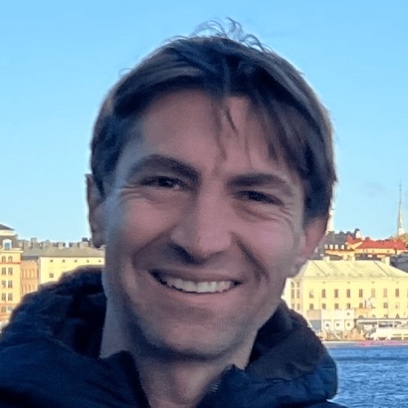
Dr Filippo Dal Fiore
Professor of Sustainable Business, University of Bologna

Dr Filippo Dal Fiore is a philosopher, educator, and researcher whose work explores consciousness, worldview transformation, contemplative inquiry, and cultural evolution. His scholarship bridges philosophy, complexity science, systems thinking, and spiritual traditions to pursue a more integrated understanding of human experience. Filippo is particularly interested in how shifts in consciousness influence social change and how new narratives may support the emergence of more regenerative futures. He currently serves as Professor of Sustainable Business at the University of Bologna and as an advisor at the Great Place To Work Institute.

Through his teaching, writing, and international collaborations, he examines the role of wisdom, meaning, and participatory ways of knowing in responding to contemporary global challenges. His work contributes to a growing body of scholarship seeking to reconnect scientific understanding, lived experience, and the deeper dimensions of human flourishing.

Professor Scherto Gill
Director, Global Humanity for Peace Institute

Professor Scherto Gill is an internationally respected scholar, peacebuilder, and thought leader whose work focuses on collective healing, peace, human flourishing, and transformative governance. She is Director of the Global Humanity for Peace Institute at the University of Wales Trinity Saint David and leads UNESCO's Collective Healing Initiative. Her work brings together research, practice, and policy to address some of the deepest challenges facing humanity, including trauma, inequality, conflict, and social fragmentation.

Scherto's scholarship explores peace not simply as the absence of violence but as the presence of dignity, wellbeing, belonging, and right relationship. Through her pioneering work on relational leadership, collective healing, intergenerational dialogue, and holistic wellbeing, she has become a leading international voice in the development of more compassionate and life-enhancing societies. Her work consistently demonstrates how flourishing emerges through relationships rooted in empathy, mutual recognition, justice, and care.

Dr Hannah Gosnell
Dr Hannah Gosnell
Geographer and Nova Scholar

Dr Hannah Gosnell is a geographer whose research and teaching explore the inner and outer dimensions of social-ecological transformation in agricultural and rural landscapes. Her work focuses on regenerative agriculture, climate change, biodiversity conservation, and the governance of land and water in rapidly changing working landscapes. As a social scientist, she examines the cultural narratives, relational worldviews, and shifts in consciousness that shape how people engage with land, food systems, and the more-than-human world.

She is particularly interested in awareness-based systems change, transformative learning, and the movement from relations of domination toward relations of care across human and ecological communities. Her work also engages ecocentric thinking, diverse ways of knowing, and the intelligence embedded in living systems. Through qualitative, collaborative research, she seeks to co-create knowledge with land managers and communities, exploring how changes in values, identity, and meaning-making are intertwined with institutional and ecological change. Hannah was a Coordinating Lead Author on the IPBES Transformative Change Assessment and is currently a Nova Scholar, focusing on how cultural narratives, nature connectedness, and transformative learning can shift the dysfunctional relationships in animal agriculture toward conscious, regenerative alternatives.

Professor Don Trent Jacobs (Four Arrows)
Author and Professor Emeritus

Wahinkpe Topa (Four Arrows), aka Don Trent Jacobs, Ph.D., Ed.D., is the author of 28 books and numerous academic publications on the practical applications of the Kincentric Worldview. The Chicago Wisdom Project selected his book, Teaching Truly, as one of the top 20 education books of all time, and UC Berkeley's Science Center for the Greater Good named Restoring the Kinship Worldview “one of the most thought-provoking, inspiring, and practical books of 2022.” He is a recipient of the Martin Springer Institute's Moral Courage Award for his Indigenous-based activism.

A Professor Emeritus, he now offers individual Zoom sessions on his widely recognized dehypnotizing technology, emphasizing a return to the KW, referred to as the CAT-FAWN Connection. An avid stand-up paddleboard surfer at 80, he lives with his artist wife in Mexico in the winter and on Vancouver Island in the summer.

Kosha Joubert
Kosha Joubert
CEO, Pocket Project

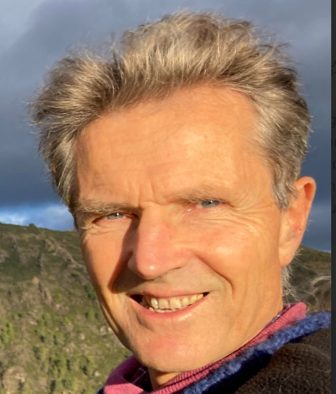
Kosha Joubert is the CEO of the Pocket Project, where she works closely with Thomas Huebl and a global team to grow a culture of trauma-informed care. Kosha is an expert facilitator, coach and organisational development facilitator who has worked on systems regeneration, trauma-informed leadership and post-traumatic growth in more than 48 countries. Kosha has authored several books and received the Dadi Janki Award (2017) for engaging spirituality in life and work and the One World Award (2020) for building the Global Ecovillage Network to a worldwide movement reaching out to over 6000 communities on all continents.
pocketproject.org · collectivetraumasummit.com

David Lorimer
David Lorimer
Global Ambassador, Scientific and Medical Network

David Lorimer is a writer, educator, and internationally respected thought leader in consciousness studies, worldview transformation, and the integration of science and spirituality. As Global Ambassador of the Scientific and Medical Network and Chair of the Galileo Commission, he has spent more than four decades fostering dialogue across disciplines and cultures. He is the author and editor of numerous books exploring consciousness, ethics, education, wisdom, and human potential, and also editor of Paradigm Explorer.

David has been instrumental in creating platforms where scientists, philosophers, educators, spiritual practitioners, and social innovators can engage in constructive inquiry about the nature of reality and the future of humanity. His work continues to inspire a more holistic and participatory understanding of human flourishing and planetary responsibility.
Dr Pavel Luksha
Dr Pavel Luksha
Founder, Global Education Futures

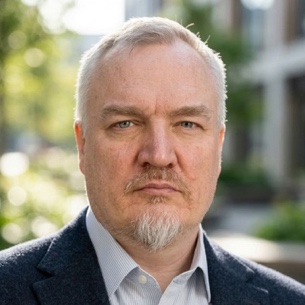
Dr Pavel Luksha is a systems scientist, futurist, educator, and internationally recognised pioneer in the field of transformative futures. As Founder of Global Education Futures and a Fellow of the World Academy of Art and Science, he has spent more than two decades exploring how education, governance, economics, and culture must evolve to meet the challenges of the twenty-first century. His work spans foresight, regenerative development, collective intelligence, learning ecosystems, and evolutionary leadership.

Pavel is a co-founder of initiatives including Living Cities Earth, The Weaving Lab, and University for the Earth, all of which seek to cultivate conditions for a flourishing planetary future. His recent work explores the role of inner development, wisdom traditions, and systems transformation in supporting humanity's transition towards more regenerative and life-affirming futures. He is widely regarded as one of the leading international voices bridging futures thinking, educational innovation, and civilisational renewal.
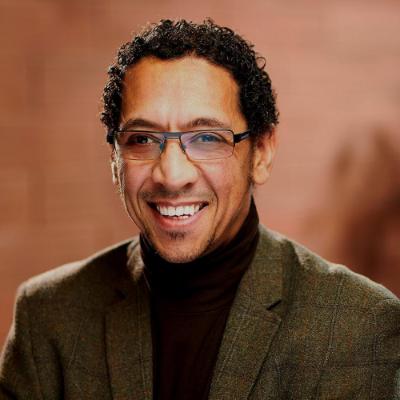
Dr Eri Mountbatten-O’Malley
Senior Lecturer in Education Studies, Bath Spa University

Eri is Senior Lecturer in Education Studies at Bath Spa University. Eri has a breadth of local and national experience working within the third sector and student union movement, in particular researching and campaigning for social equality and disability rights. He has almost 10 years’ experience conducting social policy research in areas such as well-being, mental health, higher education policy and practice, and social welfare. In particular, he has been active via his policy work for national organisations such as Citizens Advice, NAWRA and NASMA. In recognition of the impact of his advice and research-led campaigns “going above and beyond” the call of duty, he was awarded NASMA Student Money Adviser of the year 2016.

Eri continues to contribute to a number of local, national and international committees in education, philosophy and policy; for example, he is a director and trustee for Edge Hill University Students' Union, an elected national executive member for Philosophy of Education Society of Great Britain, a member of the Educational Futures Group (Harvard), and an active and contributing member to the Leadership for Flourishing Group. He also leads or co-leads a number of projects at Bath Spa University, with the aim to encourage and support a sense of belonging and 'community of practice' between staff and students, through dialogue and inquiry.
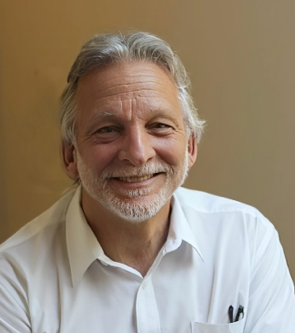
Dr Eduard Müller
Dr Eduard Müller
Rector and President, University for International Cooperation

Eduard founded the University for International Cooperation (UCI) in Costa Rica in 1994, where he is Rector and President. UCI has graduated nearly 6,000 students from 60 countries and is renowned for its innovative transdisciplinary programs. An early pioneer of online education in 1998, Eduard challenged skepticism about virtual graduate learning.

Today, he is a global advocate for regenerative development, promoting solutions through collaborative, holistic efforts that integrate diverse dimensions - economic, social, cultural, environmental, political, and spiritual. In 2018, he launched the Regenerate Costa Rica initiative, supported by over 40 partners, and in 2020, founded the Savory Hub for Costa Rica to advance holistic grazing practices. With over 45 years of international experience spanning more than 50 countries, Eduard’s work in higher education, climate change, biodiversity, and sustainable development has made him a pioneer in regenerative practices. He recently launched the Mycelium Learning Network, a global community to accelerate regeneration. He served on multiple advisory boards like Equitable Earth, Soil In Formation, Wellbeing Economy Alliance, and has advised major organizations like UNESCO, UNDP, and the World Bank.
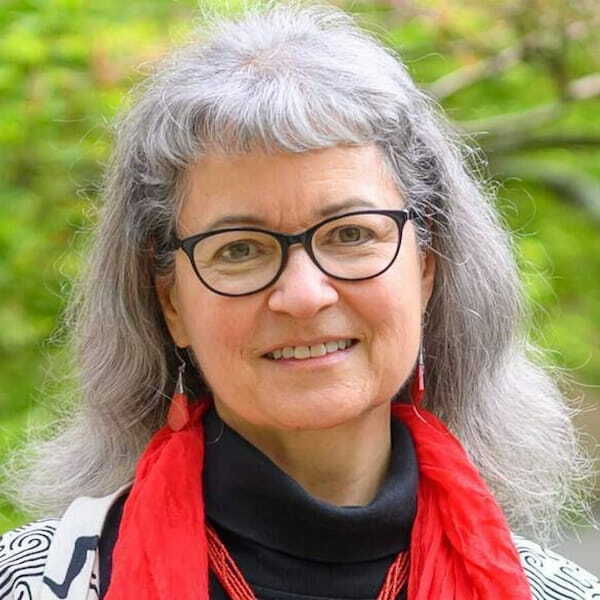
Professor Darcia Narvaez
Professor Emerita, University of Notre Dame

Professor Darcia Narvaez is one of the world's leading developmental psychologists and a pioneering scholar of moral development, wellbeing, and human flourishing. Professor Emerita at the University of Notre Dame, her research integrates psychology, anthropology, neuroscience, and evolutionary science to explore how early life experiences shape lifelong patterns of health, empathy, resilience, and ethical behaviour.

She is best known for her work on the Evolved Developmental Niche, which highlights the importance of nurturing relationships, community support, play, and emotional security in healthy human development. Darcia's scholarship has significantly influenced contemporary understanding of childhood, education, parenting, and social wellbeing. Her work offers a compelling vision of how societies can create the conditions in which individuals and communities thrive across generations.

sites.nd.edu/darcianarvaez · EvolvedNest.org

Professor Susan Prescott
Professor of Planetary Health, University of Western Australia

Professor Susan Prescott is a pediatrician, immunologist, artist, and award-winning author, internationally recognized for her pioneering research on the early environmental determinants of health and disease. She is Professor of Planetary Health at the University of Western Australia and an inaugural Artist-in-Residence and Visiting Professor at Yale University, with the Office of Planetary Health at Yale School of Nursing. Her work explores the deep interconnections between personal, collective, and planetary well-being, inspiring creative, integrated, and compassionate approaches—grounded in wisdom and reciprocity—to social and ecological justice and more flourishing futures.

She is also Director of the Center for Planetary Consciousness and Global Flourishing at the Nova Institute for Health in Baltimore, where she leads the Nova Network, a global transdisciplinary community advancing planetary health, and the Earthrise Community, which explores the inner and spiritual dimensions of collective transformation. She is Editor-in-Chief of Challenges—Journal of Planetary Health, advancing transdisciplinary dialogue across the field, and founding Director of the ORIGINS Project, a large-scale intervention birth cohort involving 10,000 families and focused on improving lifelong physical and emotional well-being. She is also a lead investigator of the Flourishing Child Project, a major ORIGINS sub-study examining the early foundations of well-being and human flourishing.

Resources

Open Resources for Change

PDF
Toward a Unitive Narrative and Worldview: an Integrative Response to the Global Meta-crisis,
Download Resource
PDF
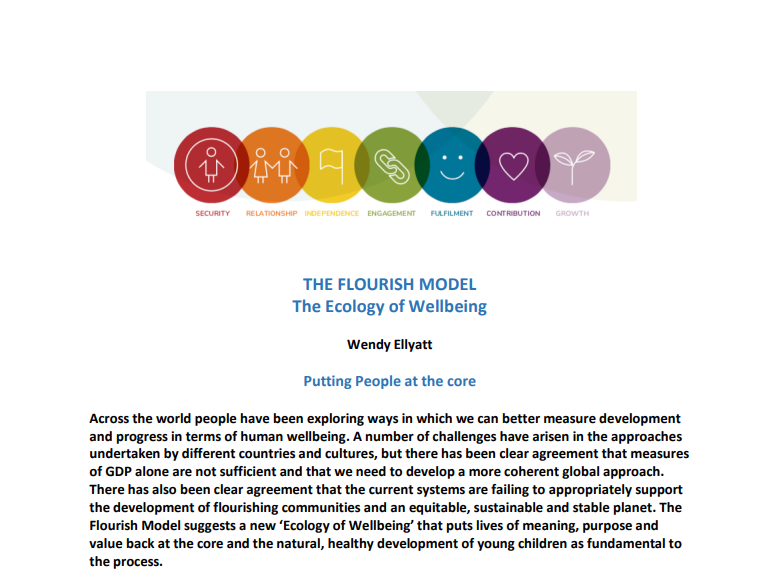
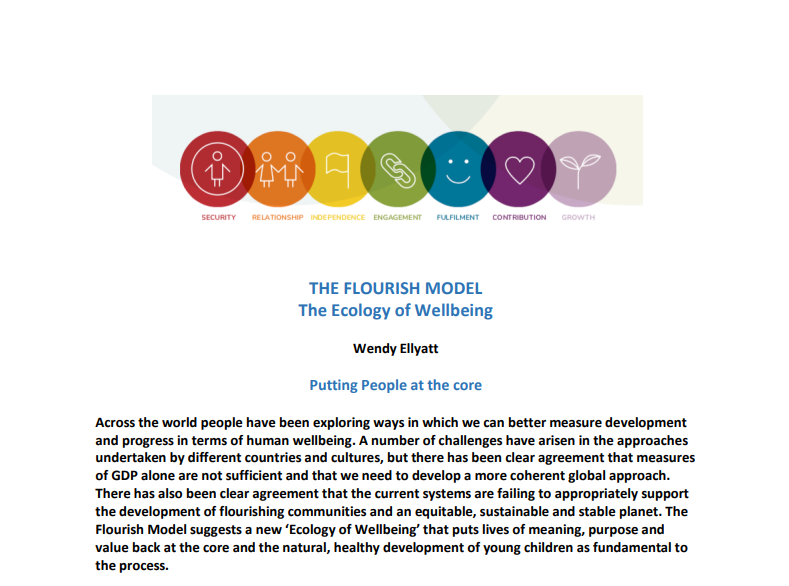
Introducing the Flourish Model
The document introduces the Flourish Model, a holistic framework for wellbeing called the 'Ecology of Wellbeing,' which emphasizes human lives, meaning, and purpose, with a special focus on early childhood development. It critiques GDP as an inadequate measure of progress and reviews global wellbeing initiatives, noting cultural differences in defining a 'good life.' Drawing from child development, psychology, and indigenous perspectives, the model defines wellbeing as multidimensional—covering physical, mental, emotional, and spiritual aspects—and identifies seven core aspects: security, relationship, independence, engagement, fulfilment, contribution, and growth. The document highlights the importance of supportive environments and people-centered systems, presents global statistics on persistent wellbeing challenges, and advocates for systemic change to prioritize human values and equitable opportunities for all, especially children. The Flourish Model is proposed as a guide for creating systems that help individuals and societies thrive.
Download Resource
PDF
The Little Book of Flourishing
The document explains that human flourishing depends on both genetic uniqueness and environmental influences, especially during the first five years of life. Positive, nurturing early experiences are crucial for healthy brain development and resilience, while negative environments can hinder growth and create limiting beliefs. It identifies seven core needs for flourishing: security, relationship, independence, engagement, fulfillment, contribution, and growth. These needs can be met in ways that support either positive or negative development. The book highlights the importance of real-world experiences, the brain's lifelong adaptability, diverse intelligences, learning through risk and failure, and the value of playfulness and creativity. Flourishing is achieved when physical, mental, emotional, and spiritual needs are met through enriching experiences.
Download Resource
PDF
Why we need the Flourish Model: Exploring the History of Global Wellbeing indicators
The document reviews the evolution of global wellbeing indicators, critiquing GDP as an inadequate sole measure of progress and advocating for holistic, people-centered approaches. It traces key milestones such as the Human Development Index, the Stiglitz-Sen-Fitoussi Commission, Bhutan's Gross National Happiness, and the OECD's Better Life Index. The text highlights cultural diversity in defining wellbeing, referencing concepts like 'Buen Vivir,' 'Ikigai,' and 'Ubuntu.' It discusses challenges in measuring subjective wellbeing and calls for frameworks that include both objective and subjective dimensions. The Flourish Model is introduced as an 'Ecology of Wellbeing,' identifying seven core aspects: security, relationship, independence, engagement, fulfilment, contribution, and growth. The model emphasizes the importance of early childhood experiences and environments in shaping lifelong wellbeing and advocates for investment in early years to prevent later social and health problems. The document presents global statistics on poverty, obesity, mental health, loneliness, and child wellbeing, illustrating ongoing challenges and disparities. It concludes by calling for systems and policies that prioritize human flourishing, equity, and sustainability, centering the needs and voices of people, especially children, in development efforts.
Download Resource
PDF
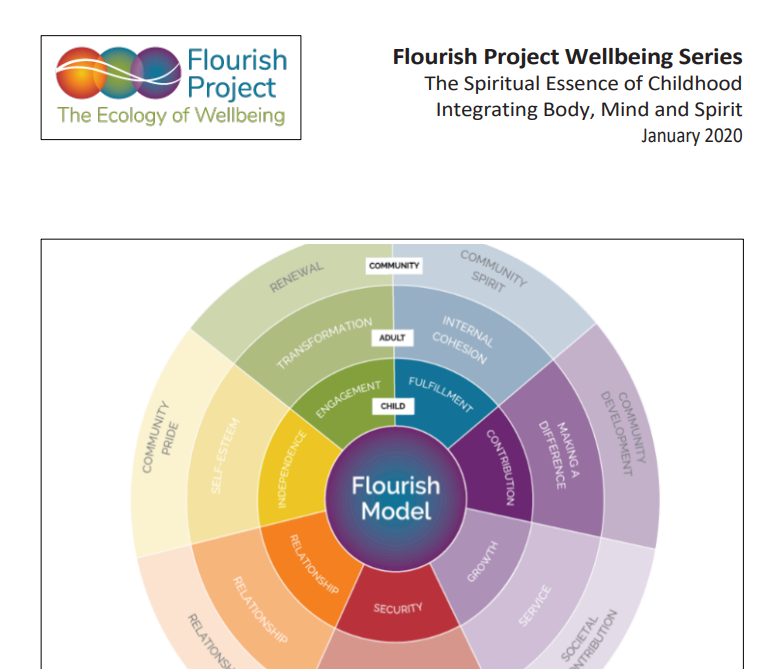
The Spiritual Essence of Childhood
The article examines the spiritual essence of childhood, emphasizing the integration of body, mind, and spirit as essential to human wellbeing. It highlights the alignment of ancient, indigenous, and modern scientific views on the interconnectedness of all life. Spiritual experiences are described as moments of heightened awareness that foster a sense of belonging and transcend cultural boundaries. The development of self is portrayed as a journey from dependence to independence and interdependence, with early childhood experiences shaping values, worldviews, and the balance between ego and soul. The article stresses the importance of nurturing environments, the influence of religion and culture on meaning-making, and the need for education to promote understanding of diverse perspectives. Key aspects of spirituality include recognizing individuality within unity, seeking meaning and connection, balancing inner and outer lives, and cultivating compassion. Achieving wellbeing involves minimizing early negative influences, overcoming fears, and embracing life's unity and beauty. Core human needs such as security, relationships, independence, engagement, fulfillment, contribution, and growth are identified as vital for meaningful lives, with spiritual development encouraging ongoing learning and contribution beyond oneself.
Download Resource
PDF
The Little Book of Peace
The document examines peace from personal and societal perspectives, arguing that a peaceful world is achievable through recognizing our shared humanity. It highlights the global economic costs of violence and asserts that unity is fundamental, while fragmentation stems from misperceptions. Seven universal human developmental needs—security, relationship, independence, engagement, fulfilment, contribution, and growth—are identified as shaping personality through genetics and environment, with early childhood experiences being crucial for developing peace or violence. Inner values like love, compassion, justice, and forgiveness are emphasized as essential for human flourishing. The text critiques materialism and 'junk values' for undermining well-being, stresses the importance of social connections, and challenges the notion of the isolated self. It concludes that lasting peace is fostered through education and nurturing compassion, rather than politics or religion alone, and that human nature’s capacity for compassion and cooperation is key to overcoming violence.
Download Resource
PDF
The Little Book of Compassion
"The Little Book of Compassion" by Wendy Ellyatt emphasizes the essential role of compassion in human wellbeing, highlighting its impact on individuals, society, and the environment. The book explores the interconnectedness of all life, drawing from both indigenous wisdom and modern science, and identifies seven core human needs: security, relationship, independence, engagement, fulfilment, contribution, and growth. It discusses how early childhood experiences and family environments shape values and behaviors, with positive relationships fostering healthy development. The importance of social and emotional learning, mindful presence, creativity, and the influence of language on worldview are also addressed. The book acknowledges humanity's capacity for both compassion and cruelty, stressing the importance of conscious choice. Ultimately, it concludes that love and compassion are vital for happiness, human flourishing, and the survival of the planet.
Download Resource
PDF
The Little Book of Education - Flourish Project
The document calls for a transformative approach to education that focuses on the holistic development and wellbeing of children rather than solely on academic achievement and standardization. It argues that education should nurture core human needs such as security, relationships, independence, engagement, fulfilment, contribution, and growth. The text emphasizes balancing individual potential with the transmission of societal values for a sustainable future, celebrating diversity, fostering intrinsic motivation, and supporting the whole child—physically, emotionally, mentally, and spiritually. It also addresses the effects of digital technology on wellbeing, the importance of eco-literacy, and the role of education in cultivating compassion for self, others, and the natural world. The ultimate goal is to create education systems that enable all individuals to flourish and contribute to a more just, peaceful, and sustainable world.
Download Resource
PDF
Understanding Human Violence
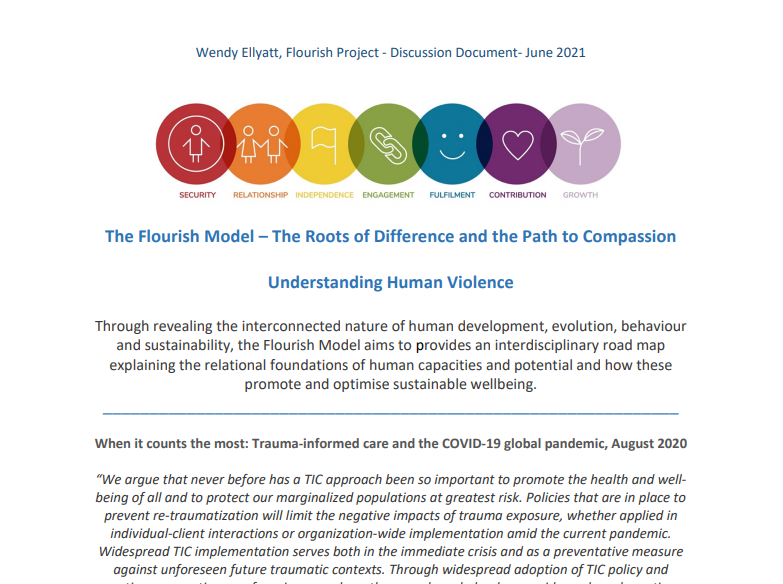
The document examines the systemic roots of human violence, emphasizing the influence of early relationships and experiences, particularly Adverse Childhood Experiences (ACEs), on later health and behavior. It identifies youth violence as a major global public health issue, with significant effects on mortality, mental health, and social functioning. The text highlights the role of media exposure in increasing aggression among youth and presents the Flourish Model, which links unmet core human needs to behavioral problems. Risk factors for violence are outlined at individual, relational, and societal levels, including poor attachment, low self-esteem, poverty, and exposure to violence. The document advocates for trauma-informed, relationship-based interventions, early support, and systemic solutions such as poverty reduction, improved caregiving, and community engagement. Healing is described as restoring right relationships with self, others, and the environment, supported by compassion, empathy, and holistic approaches.
Download Resource
PDF
It's all about relationship
The document introduces the Flourish Model, which centers on the importance of relationships for human flourishing and sustainable wellbeing. It asserts that humans are shaped by evolutionary, genetic, and epigenetic influences, and emphasizes the need for relational consciousness, presence, attunement, development, and responsibility. The model advocates for self-awareness, compassion, and transforming limiting patterns and societal structures. It identifies key human needs—growth, contribution, fulfillment, engagement, independence, relationship, and security—as essential for wellbeing. The document highlights the interconnectedness of individuals, society, and the natural world, proposing that nurturing these relationships and taking responsibility for actions leads to a more meaningful, peaceful, and sustainable future. The Flourish Values Model is presented as a framework for understanding human values and promoting community engagement and holistic thinking.
Download Resource
PDF
The Flourish Model: exploring the relational foundations of human capacities and potential
The document introduces the Flourish Model, an ecological framework for understanding children's spiritual development that emphasizes relational consciousness and interconnectedness. It builds on Hay and Nye's model by incorporating evolutionary science and systems thinking, proposing that spirituality is an innate, relational process rooted in connection and love, which is essential for human flourishing. The model stresses the importance of dynamic relationships, creativity, and an eco-systemic approach to wellbeing. It identifies seven core human needs—security, relationship, independence, engagement, fulfillment, contribution, and growth—as foundational for optimal development. The document highlights the influence of both internal (personal history, emotions, self-compassion) and external (social, cultural, systemic) factors, the significance of early childhood experiences, and the cultivation of compassion, mindfulness, and resilience. It calls for collective responsibility in transforming values and systems to promote sustainable wellbeing through dialogue, compassion, and collective action.
Download Resource
PDF
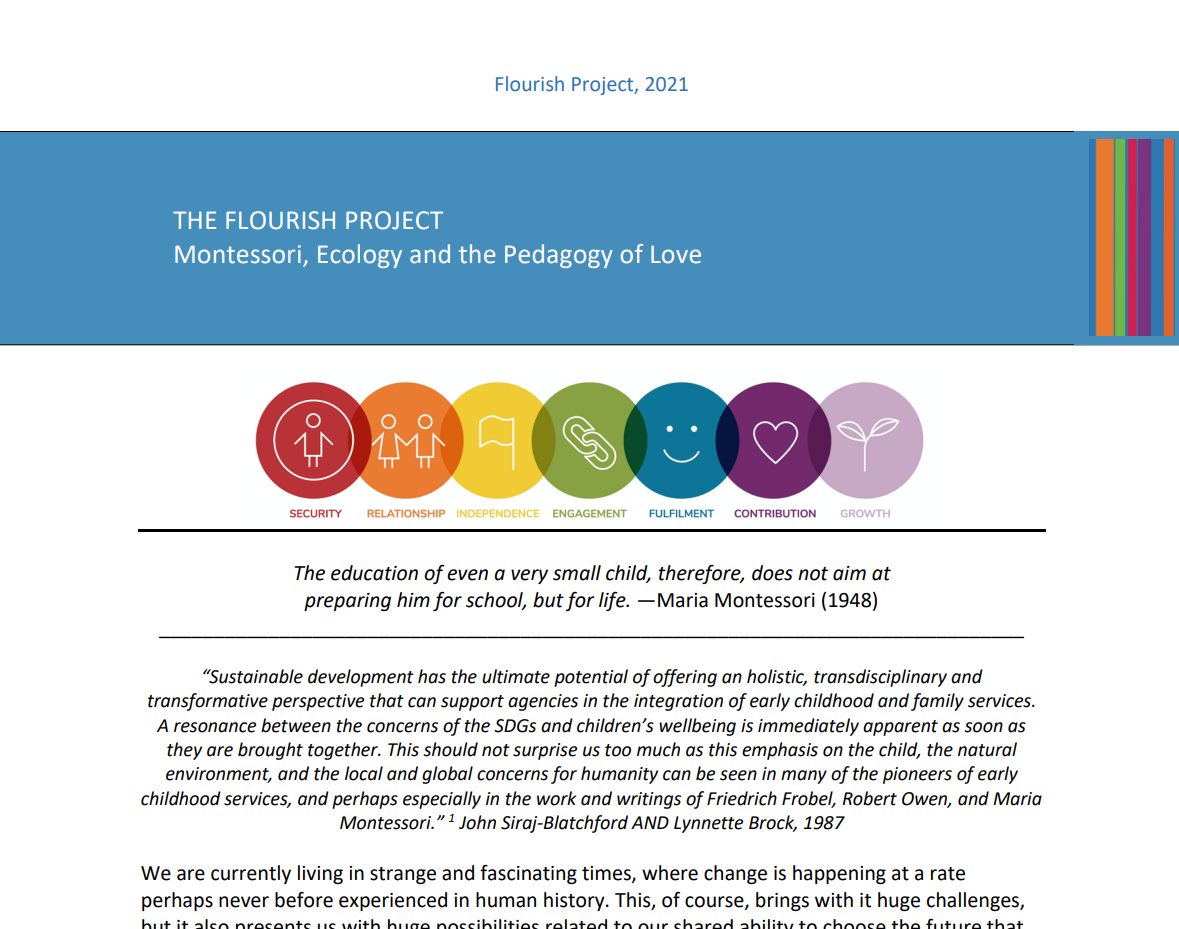
The Flourish Model, Montessori and the Pedagogy of Love
The document examines the integration of Montessori education, ecology, and the pedagogy of love within the framework of sustainable development and child wellbeing. It introduces the Flourish Model, which centers the child within interconnected systems—self, others, and the natural world—and emphasizes the importance of early experiences in shaping values and worldviews. The model aligns with the Sustainable Development Goals and identifies seven core human needs: security, relationship, independence, engagement, fulfilment, contribution, and growth. The document highlights Maria Montessori’s belief in the transformative power of love and the spiritual nature of the child, advocating for education systems that go beyond individual achievement to foster empathy, peace, and sustainability. It calls for a holistic, ecological approach to education that nurtures spiritual development, ecological awareness, and a commitment to the common good, positioning children as key agents in building a compassionate and sustainable future.
Download Resource
PDF
The Purpose of Education - from Attainment to Human Flourishing
The document advocates for shifting education’s focus from academic attainment to fostering human flourishing. It emphasizes that education should nurture meaningful lives by developing relationships with others, oneself, and knowledge, as recognized by organizations like UNESCO, OECD, and Harvard. The report argues that traditional academic achievement is insufficient and calls for education to cultivate emotional awareness, empathy, conflict resolution, compassion, and critical thinking. Effective education is described as relational, requiring trust and collaboration among students and teachers, and must address diverse backgrounds, trauma, and prosocial values. The author proposes an ecosystemic approach involving all stakeholders, systemic collaboration across sectors, and futures literacy to prepare learners for future challenges. Six key areas are highlighted: equality of opportunity, new educational narratives, lifelong generative learning, educating the whole child, honoring parents and teachers, and assessment systems that support unique learners and community engagement. The document stresses the importance of science and evidence-based practices in guiding educational transformation.
Download Resource
PDF
Relational Intelligence: Exploring Children's Spirituality and the Pattern Language of Beauty, Flow and Love
The document examines relational intelligence as crucial for human flourishing, especially in children. It defines spirituality as an innate human capacity for connection, meaning, and transcendence, arguing that it is essential for wellbeing and should be nurtured alongside cognitive, physical, and emotional development. The paper critiques modern education and culture for neglecting spiritual and relational aspects, emphasizing the importance of authentic experience, mutual respect, and ecological awareness. Drawing from scientific, philosophical, and indigenous perspectives, it highlights the interconnectedness of all life and advocates for compassionate, prosocial behaviors. The author calls for educational and societal systems that support children's relational and spiritual growth, viewing periods of struggle as opportunities for transformation. The document promotes holistic, compassionate, and ecologically literate approaches in education and community to foster individual and collective flourishing through integration of inner and outer worlds, creativity, and a sense of belonging.
Download Resource
PDF
Education for Human Flourishing - a New Conceptual Framework for Promoting Ecosystemic Wellbeing in Schools
The document presents a new conceptual framework for promoting ecosystemic wellbeing in schools, advocating a shift from individual achievement to fostering human flourishing within sustainable and regenerative futures. It identifies rising mental health challenges among children and critiques current educational systems for not supporting holistic wellbeing. The Flourish Project's model outlines seven interconnected aspects of human flourishing—security, relationship, independence, engagement, fulfilment, contribution, and growth—relating to the self, others, and the natural world. The framework integrates interdisciplinary research, emphasizes whole systems thinking, collaborative wellbeing assessment, and digital support platforms. It aligns with global initiatives like the Inner Development Goals and Sustainable Development Goals, calling for education to nurture all human needs, build authentic relationships, and prepare individuals for meaningful societal and planetary contributions, urging transformative changes in educational policy and practice.
Download Resource
Website
Eco-Systemic Flourishing: Expanding the Meta Framework for 21st-Century Education
Download Resource
PDF
SDGs for Elementary/Primary Schools
The document provides a framework for integrating the United Nations Sustainable Development Goals (SDGs) into primary and elementary school education. It details how each SDG can be taught through age-appropriate topics, activities, and discussions, encouraging children to engage with global issues such as poverty, health, education, gender equality, clean water, clean energy, economic wellbeing, innovation, reduced inequalities, sustainable communities, responsible consumption, climate action, and environmental protection. The approach emphasizes fostering activism, community engagement, and holistic development using the Flourish Values Model, aiming to empower children as active contributors to a sustainable and equitable future.
Download Resource
PDF
IDGs for Elementary/Primary Schools
The document is a handbook for primary and elementary schools that integrates the UNICEF Nine Core Capacities and the Inner Development Goals (IDGs) to support children's holistic development. It focuses on helping children realize their full potential to contribute positively to society. Key areas include honoring the body, connecting with others, self-awareness, meaningful work, balance and flow, contribution, and continuous learning. These areas are linked to skills such as embodiment, empathy, self-regulation, critical thinking, creativity, collaboration, and compassion. The handbook emphasizes recognizing each child's unique emotional, mental, physical, and spiritual potential, promoting wellbeing, community engagement, and whole-systems thinking. The Flourish Model is used as a framework for mapping values and wellbeing in educational settings, with practical guidance provided for fostering these capacities in children to create flourishing individuals and communities.
Download Resource
PDF
Short Introduction to ESF
The document introduces Eco-Systemic Flourishing (ESF), a framework emphasizing that human wellbeing is deeply connected to the health of the systems we live in. It identifies current global issues—like environmental degradation, anxiety, and social division—as signs of systemic failure. ESF outlines seven ongoing human needs: security, relationship, independence, engagement, fulfilment, contribution, and growth, which shape interactions with self, others, and the world. The importance of early development is highlighted, as early experiences influence wellbeing across generations. ESF describes four essential, interconnected domains for flourishing: human capacities and potential, cultural values and identity, the natural environment, and circular/regenerative economics. The framework promotes a holistic perspective, noting that misalignment in one domain can destabilize others, while coherence fosters resilience. ESF is not a prescriptive program but a lens for understanding and improving the systems that shape humanity, relationships, and the environment, advocating for the design of systems that support development, relationships, and the living world.
Download Resource
PDF
Introducing the ESF Framework - Flourish Project, Sept 2025
The document introduces the Eco-Systemic Flourishing (ESF) Framework, a holistic model for human and planetary wellbeing that addresses interconnected crises like climate change, social fragmentation, and mental health decline. The ESF Framework redefines flourishing as a dynamic, relational, and developmental process, integrating systems theory, Indigenous knowledge, developmental psychology, and ecological ethics. It features a four-domain matrix (Natural Environment, Circular & Regenerative Economics, Cultural Values & Identity, Human Capacities & Potential) and a seven-level model of human motivation. The framework emphasizes interdependence, moral development, and spiritual ecology, critiquing reductionist and anthropocentric wellbeing models. It is designed for practical application in education, governance, policy, and communities, offering tools for assessment and systems literacy. The document highlights the importance of early childhood in shaping worldviews, the need for education that fosters relational and ecological awareness, and addresses challenges like empirical validation and cultural adaptation. The ESF Framework is presented as a living, adaptable tool for regenerative societal transformation, aiming to unite inner development with systemic change for long-term flourishing.
Download Resource
PDF
SDGs Handbook for the Early Years
The document adapts the UN’s 17 Sustainable Development Goals (SDGs) for early childhood education, making them accessible for primary and elementary school settings. It introduces the Flourish Model, which highlights the interconnectedness of children, families, and wider systems, and recognizes young children as active global citizens. Each SDG is broken down into discussion points and practical activities to foster awareness, empathy, and action among young children. Key themes include poverty, hunger, health, education, gender equality, clean water, energy, work, innovation, reduced inequalities, sustainable communities, responsible consumption, climate action, life below water and on land, peace, justice, and partnerships. The document aims to nurture values, wellbeing, and community engagement from an early age through whole-systems thinking and age-appropriate learning experiences.
Download Resource
Powerpoint
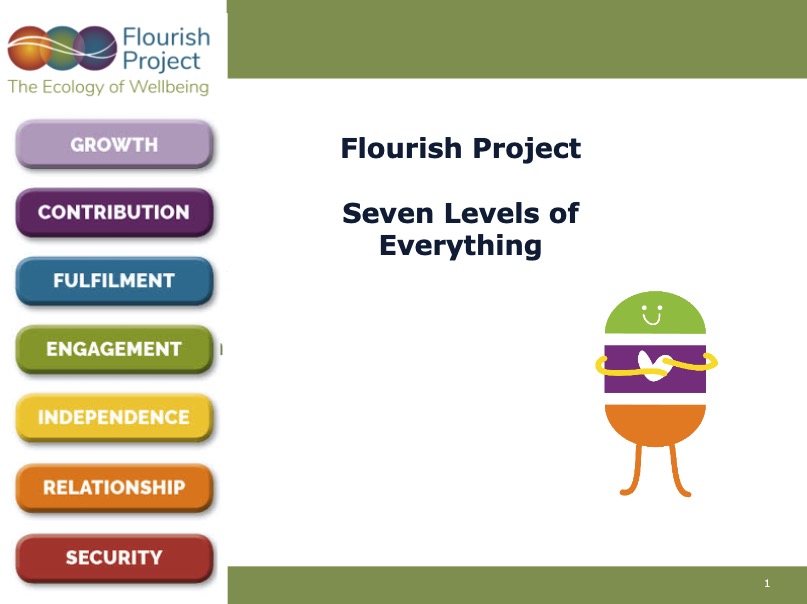
Seven Levels of Everything
The document outlines the Flourish Project's 'Seven Levels of Everything' model, a holistic framework for wellbeing applicable to individuals, communities, schools, and care settings. The seven levels—Growth, Contribution, Fulfilment, Engagement, Independence, Relationship, and Security—are each explored through reflective questions and linked to practical needs and resources for different groups. The model emphasizes human rights, personal and community development, emotional and physical health, and environmental sustainability. It connects to international wellbeing measures, educational competencies, and care frameworks, highlighting values such as empathy, resilience, creativity, inclusiveness, and safety. The document also provides examples of community resources, wellbeing apps, and care approaches (including Montessori and dementia care) that align with the seven levels, aiming to support holistic flourishing across all life stages and societal levels.
Download Resource
Word Document
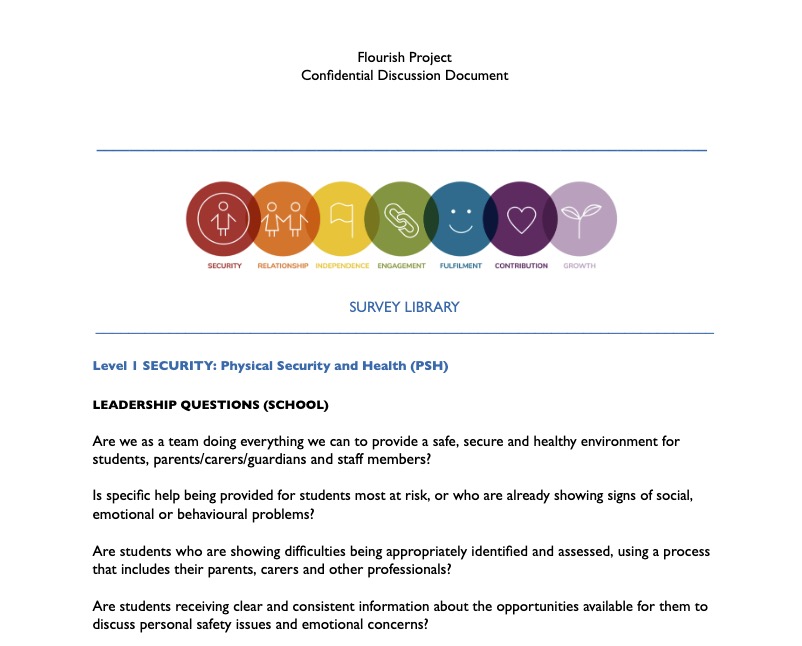
Digital Wellbeing Platform - Survey Library
The document is a survey library for schools aimed at assessing and promoting wellbeing among students, staff, parents/carers/guardians, and leadership. It is organized around seven key themes: Security, Relationship, Independence, Engagement, Fulfilment, Contribution, and Growth. Each theme includes targeted questions for different stakeholders to evaluate experiences and perceptions related to safety, mental health, relationships, self-worth, engagement, fulfilment, participation, and sense of purpose. The purpose is to help schools identify strengths and areas for improvement in wellbeing, fostering a supportive and inclusive environment for the entire school community.
Download Resource
Word Document
The ESF Wellbeing Evaluation Grades
The document describes the Eco-Systemic Flourishing (ESF) Grading System, which assesses wellbeing frameworks based on two main criteria: the depth of human motivation (across seven levels) and the breadth of ecosystemic integration (across four domains: Human Capacities & Potential, Cultural Values & Identity, Natural Environment, and Circular & Regenerative Economics). Frameworks are evaluated on five dimensions—Motivational Depth, Domain Breadth, Relational Integration, Ecological Consciousness, and Transformative Potential—each scored from 0 to 5, for a maximum of 25 points. Grades range from A (fully integrated, eco-systemic) to E (minimal integration). The system is applied to various frameworks, noting that Nova Scotia Community Wellbeing scores highly for participatory and ecological integration, while British Columbia Health Indicators is strong in basic needs but lacks growth and ecological focus. The document emphasizes the value of participatory, adaptive, and ecological approaches for higher ESF grades and suggests Nova Scotia could serve as a global model with further improvements.
Download Resource
Word Document
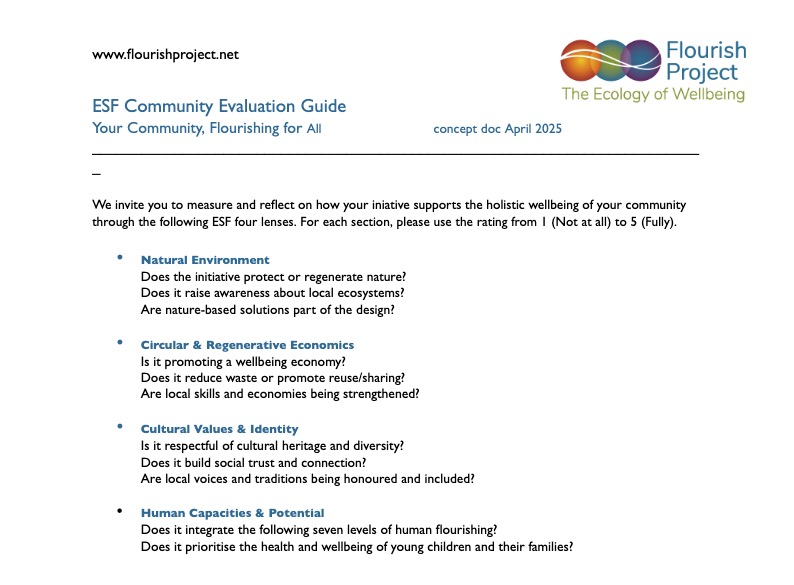
ESF Community Evaluation Guide
The ESF Community Evaluation Guide outlines a framework for assessing community initiatives through four key lenses: Natural Environment (focus on nature protection, ecosystem awareness, and nature-based solutions), Circular & Regenerative Economics (emphasizing wellbeing economies, waste reduction, and support for local skills and economies), Cultural Values & Identity (highlighting heritage, social trust, and inclusion of local voices), and Human Capacities & Potential (covering physical health, emotional safety, agency, meaningful activities, self-expression, participation, and intergenerational learning). The guide recommends rating each area from 1 to 5 to evaluate the initiative's overall impact on holistic community wellbeing.
Download Resource